
Over 70% of total digital screen time is spent within native mobile applications. While responsive mobile websites are indispensable for top-of-funnel customer discovery, they face inherent technical boundaries: browser session timeouts, tab switching distractions, and absent device hardware integration.
At SIGNKIP, our mobile engineering lab builds cross-platform Flutter and native applications that serve as continuous brand touchpoints, turning casual buyers into devoted brand advocates.
1. The Power of Direct Real-Estate on the Home Screen
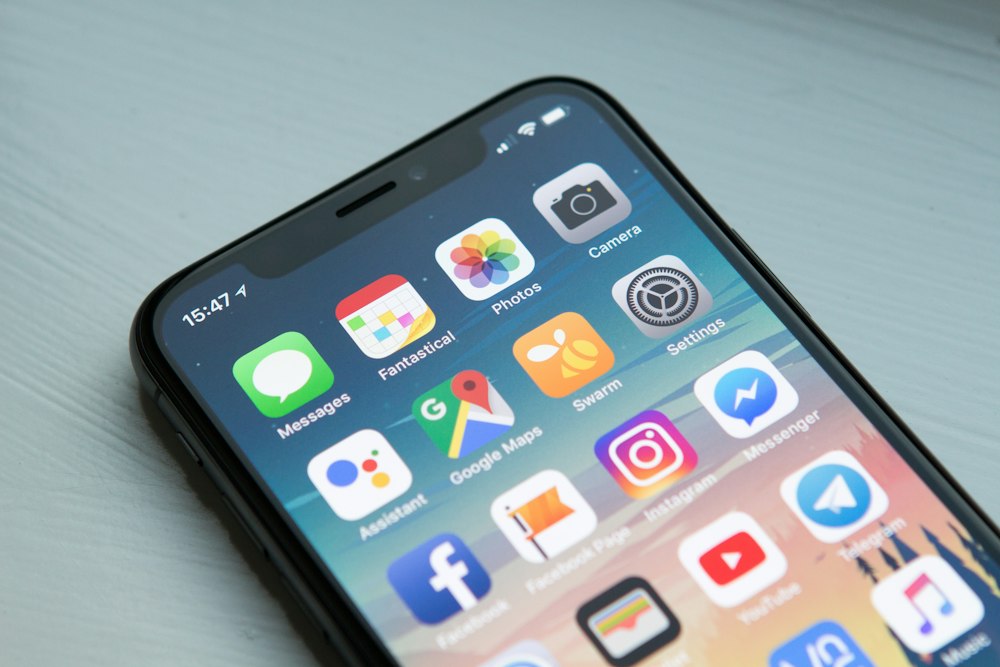
When an enterprise customer or retail buyer installs your app, your brand earns a permanent icon on their most personal physical device. This constant ambient visibility drives organic brand recall that programmatic display ads simply cannot replicate.
"An installed mobile application is the ultimate expression of digital intent. Users who download an app convert at a rate 3.5 times higher than responsive mobile web visitors."
2. Direct Push Notifications: The Highest ROI Communication Channel
Email marketing open rates typically hover between 15% and 22%. By contrast, targeted mobile push notifications command average view rates exceeding 65%, with instant click-through rates up to 7x higher than promotional emails.
- Transactional Alerts: Instant shipment updates, booking confirmations, and order milestones.
- Geofenced & Contextual Offers: Delivering time-sensitive promotions when customers are near physical locations.
- Re-Engagement Triggers: Automated nudges for abandoned shopping baskets or incomplete consultation inquiries.
3. Native Device Hardware & Offline Resilience
Unlike web browsers, native mobile applications leverage on-device hardware sensors:
- Biometric Security: Seamless one-tap authentication via Apple FaceID and Android Biometrics.
- Camera & Scanner APIs: Barcode tracking, QR ticket check-ins, and document uploads.
- Local SQLite / Hive Caching: Seamless offline functionality allowing field agents and users to browse products and record data even during intermittent connectivity.
4. Unified Cross-Platform Efficiency with Flutter
Historically, launching a mobile app required maintaining two separate development teams for iOS (Swift) and Android (Kotlin). Today, our engineers harness Google's Flutter framework, allowing a single, high-performance codebase to compile directly into native ARM machine code on both platforms. This reduces upfront development costs by up to 40% while accelerating time-to-market.
Learn more about our cross-platform capabilities on our Mobile App Development page.