Design is never static. In 2026, user expectations have matured significantly beyond flat, minimalist corporate cards. Today's web design landscape is defined by visceral craftsmanship, tactile feedback, and deliberate typographic rhythm.
At SIGNKIP, our design studio constantly balances artistic novelty with cognitive clarity. The trends that survive are never mere gimmicks—they are solutions that resolve user friction and elevate emotional connection with a brand.
1. Editorial-Style Typography & Scale Contrast
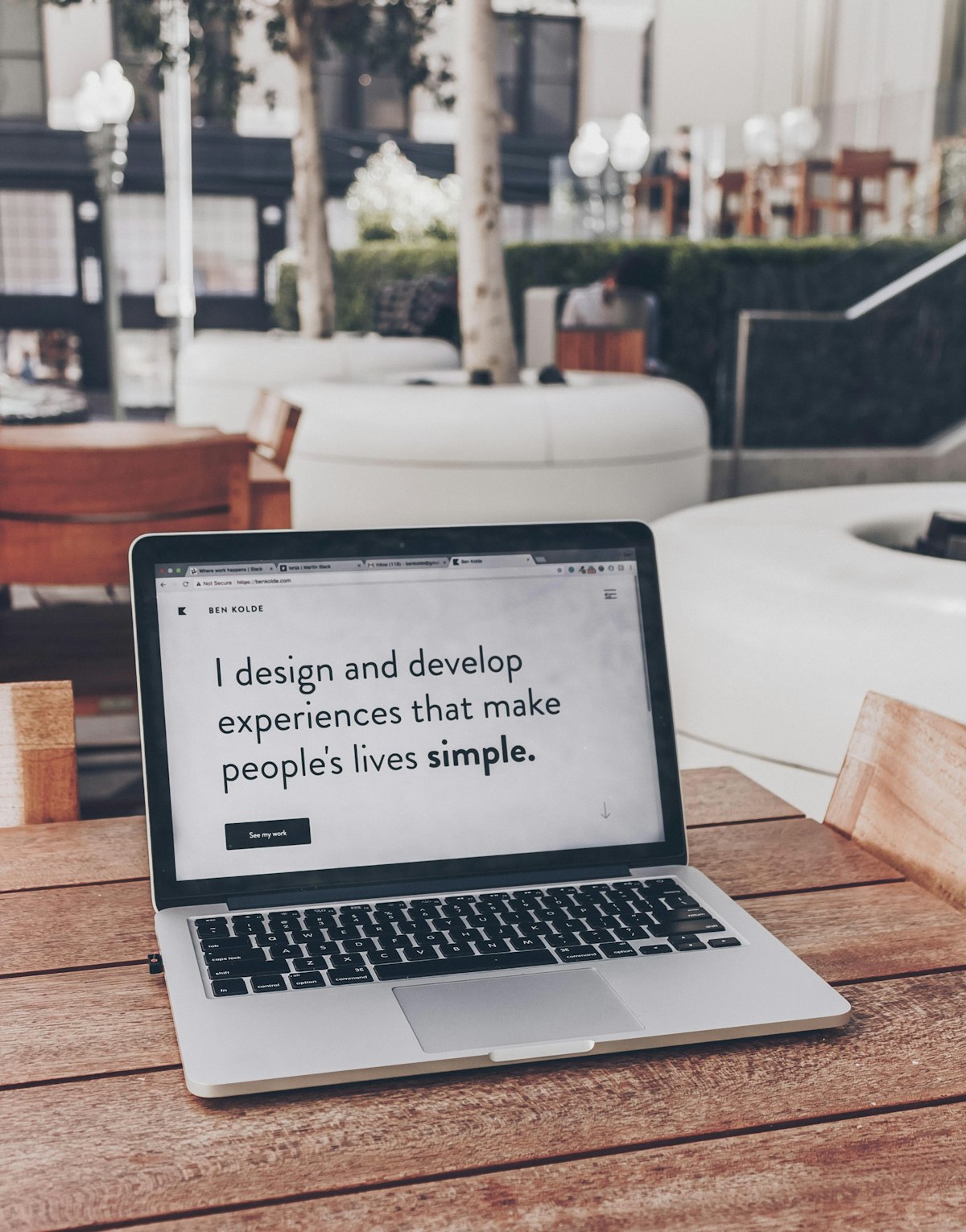
Modern websites are shedding sterile corporate layouts in favor of editorial, magazine-grade compositions. This means bold contrast between oversized serif or geometric sans headlines and ultra-clean metadata labels.
Using tight line-heights, dramatic negative space, and disciplined kerning gives web pages an aura of permanence, reminiscent of luxury print publications.
2. Dark Aesthetics with Neon Accent Illumination
Deep obsidian backdrops paired with luminescent accent colors (such as SIGNKIP's signature neon green and electric cyan) have become the visual hallmark of premier technology agencies.
"Deep dark themes reduce eye strain, conserve OLED screen energy, and dramatically amplify the perceived vibrancy of featured design mockups and photography."
3. Continuous Infinite Movement & Micro-Marquees
Static galleries are giving way to continuous, physics-based horizontal ticker marquees (as popularized by world-class references like Tikanga). By streaming client portfolios and capabilities across dual alternating tracks at 60 FPS, websites convey continuous momentum and creative abundance without cluttering vertical scroll height.
4. Inertial & Smooth Scroll Physics (Lenis)
Default browser scrolling can often feel jittery and abrupt on high-refresh-rate displays. Integrating specialized smooth scroll engines like Lenis harmonizes wheel input with GPU rendering frames, transforming the scrolling journey into a silky, cinematic navigation experience.
5. Real Photographic Mockups over Generic Vector Art
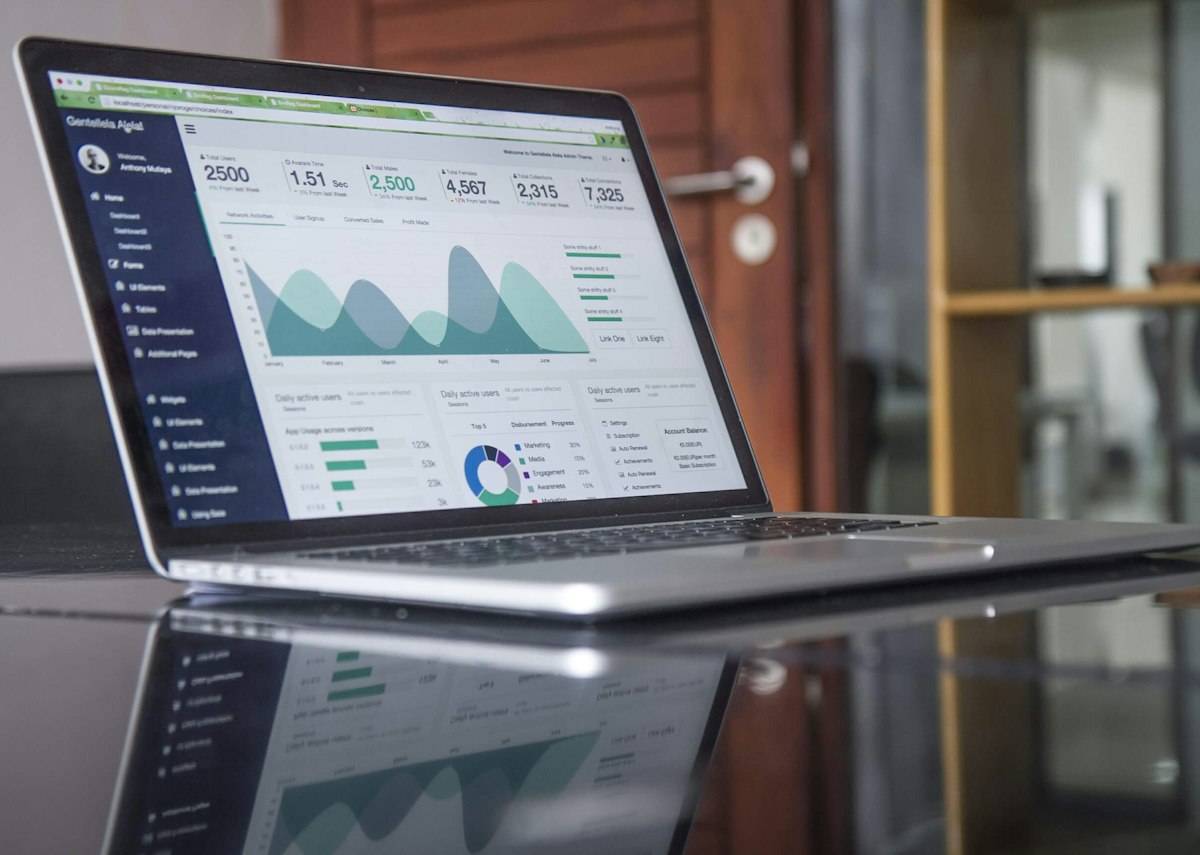
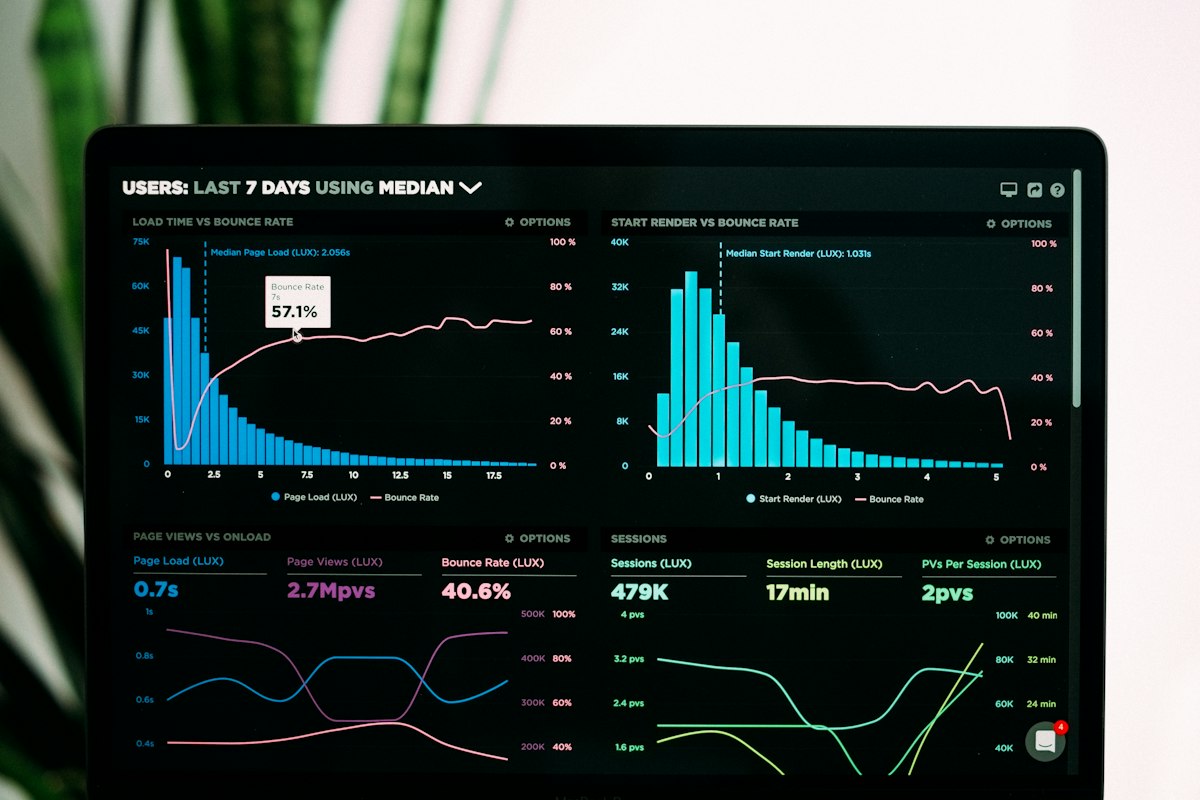
Clients and buyers are acutely skeptical of abstract geometric drawings and clip-art vector illustrations. Today's winning agency websites present their work through authentic, high-resolution photographic mockups: actual smartphone glass reflections, embossed stationery textures, and genuine software dashboards.
Ready to revamp your digital visual identity? Discover our Graphic Design & Brand Systems.